August 31, 2026
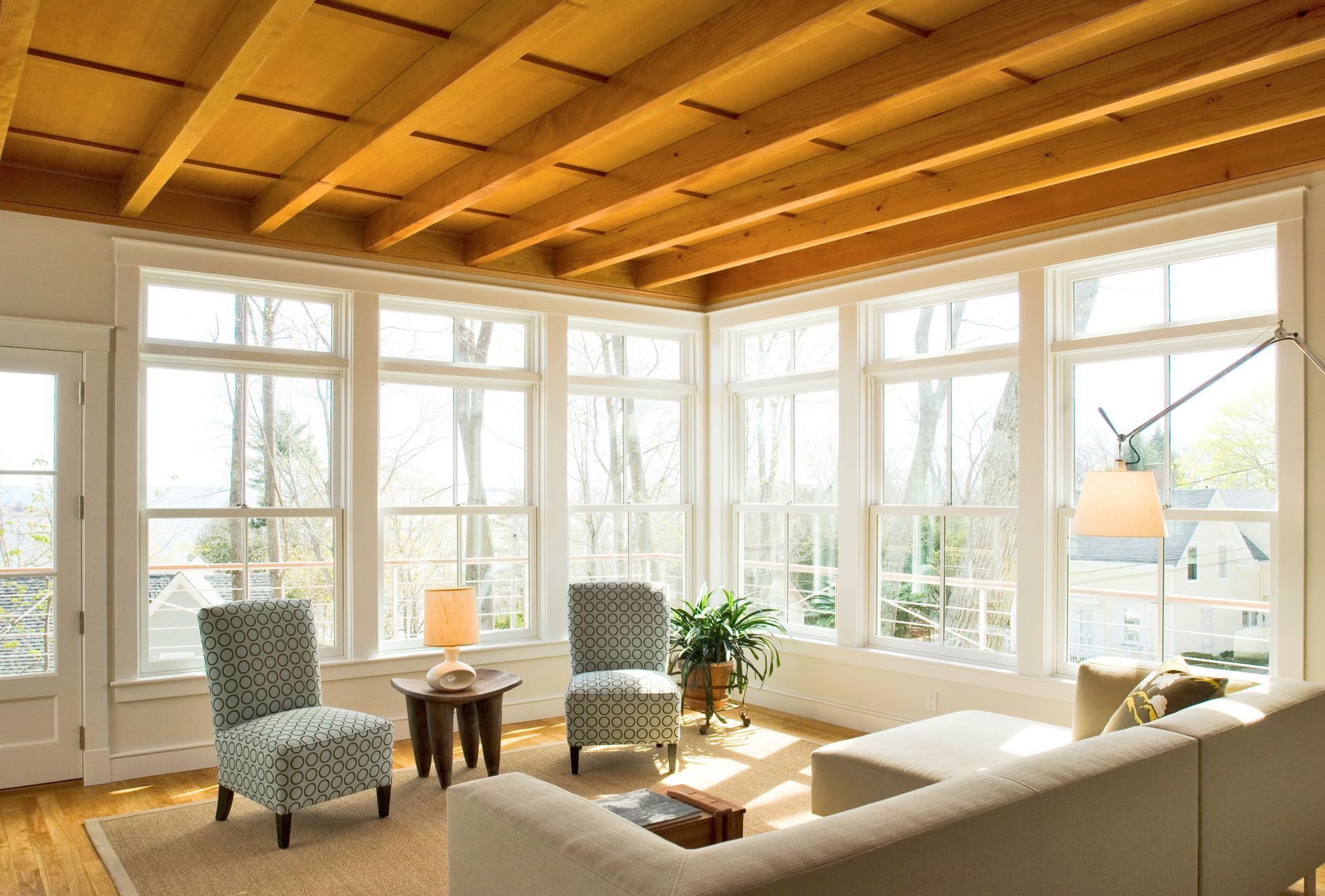
Integrating a glass addition into your residential architecture offers a transformative way to expand functional living space while cultivating a year-round connection to the natural world. Sunrooms, solariums, and conservatories introduce an abundance of natural light into the home, dramatically improving interior aesthetics and elevating overall mental well-being. Beyond enhancing daily quality of life, these architectural features act as versatile multiuse zones, functioning seamlessly as light-filled living rooms, home offices, or tranquil indoor gardens. Investing in high-quality glass construction not only modernizes a home’s floor plan but also significantly boosts overall property value.
Successfully executing a glass addition requires balancing architectural elegance with precise structural engineering and modern building science. Factors such as thermal insulation, frame durability, climate control, and seamless roofline integration determine whether a new room remains comfortable through seasonal extremes. By carefully evaluating materials, local zoning requirements, and specialized construction techniques, property owners can create energy-efficient spaces that endure for decades.
Enhancing Residential Spaces with Glass Structures
Sunrooms and conservatories offer distinct architectural solutions designed to fill interior spaces with natural sunlight. A sunroom, frequently referred to as a solarium, uses expansive window arrays and heavy framing to maximize daily light exposure. Conversely, a conservatory mirrors traditional greenhouse architecture, featuring elaborate glass walls and glass roofs for total environmental immersion. These structures can be built as standalone units or attached directly to an existing house. Both designs prioritize natural illumination while varying in structural complexity, insulation capacity, and architectural style.
Tracing the Historical Evolution of Sunrooms
The concept of glass additions originated in 16th-century Europe, where aristocrats built early conservatories to shelter exotic tropical flora. As global trade expanded, these glass enclosures evolved into status symbols for showcasing rare botanical collections. Over centuries, manufacturing breakthroughs rendered glass structures far more accessible to standard property owners. The development of tempered glass and advanced thermal insulation transformed these spaces from plant sanctuaries into year-round living areas. Today, modern residential expansions seamlessly connect indoor spaces with surrounding natural landscapes.
Analyzing Modern Market Demands
Homeowners increasingly prioritize eco-friendly construction materials and sustainable designs to reduce operational energy costs. Modern custom builds frequently incorporate smart technology, such as automated shading systems and climate sensors, to optimize interior comfort. Furthermore, the rising demand for versatile spaces has accelerated the adoption of custom home additions. These light-filled structures provide adaptable square footage for remote work, exercise, or relaxation, increasing both functional living area and residential property values across real estate markets.
Increasing Indoor Natural Illumination
Extensive glass surfaces allow daylight to penetrate deep into interior living quarters, creating bright, welcoming environments. Strategic window placement captures sunlight throughout the day while providing unobstructed views of surrounding yards and gardens. Abundant natural light improves mood, boosts daily productivity, and helps regulate natural sleep cycles. Incorporating large-scale home additions focused on natural light transforms dark interior rooms into vibrant living zones, maximizing the functional utility of your property.
Connecting with Nature Year-Round
Glass enclosures offer a comfortable indoor vantage point to appreciate outdoor scenery through every season. Occupants can view winter snowfalls or spring blooms from climate-controlled comfort, fostering a calming connection to the outdoors. Beyond simple aesthetic appeal, routine exposure to natural views lowers stress levels and promotes mental well-being. According to Autodesk.com, property owners should plan out realistic construction timelines during the build phase; large projects often take 20% longer to finish than scheduled.
Elevating Overall Market Value
Adding a sunroom or conservatory significantly increases a property's total usable square footage, making the house far more attractive to prospective buyers. Beyond increasing financial equity, these versatile spaces accommodate dining areas, home offices, or quiet reading lounges. Modern, energy-efficient designs align perfectly with current real estate trends emphasizing sustainable living and open-concept architecture. Well-executed home additions elevate a property's market appeal, helping it stand out in competitive real estate environments.
Aligning Architectural Styles Seamlessly
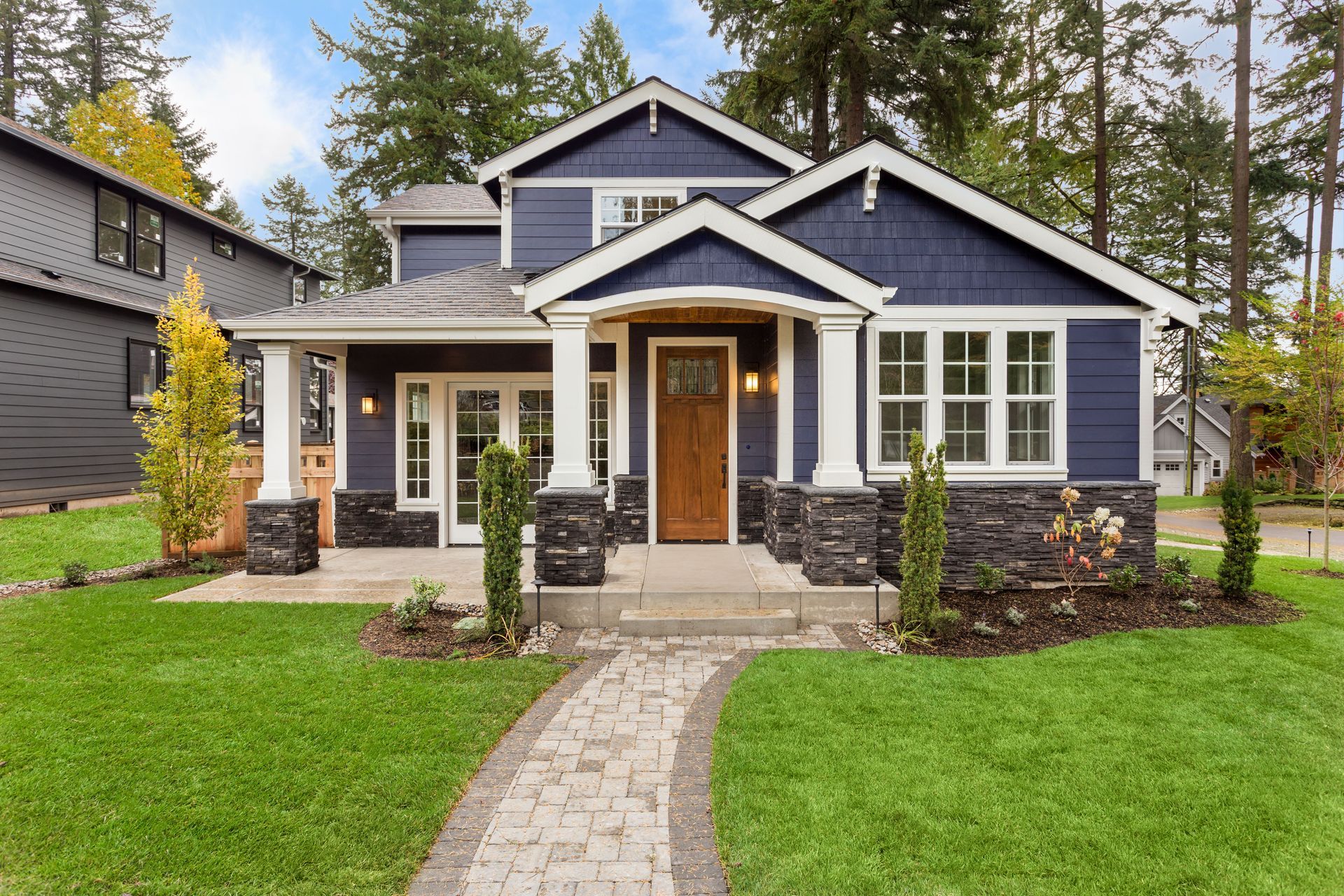
Selecting an architectural style that complements your existing residence is critical for visual harmony. Design options range from sleek, modern minimalist frames to ornate, Victorian-inspired conservatories with decorative ridge cresting. Matching rooflines, exterior finishes, and window grids ensures the new structure looks like an original component of the house rather than an afterthought. Early architectural planning establishes unified aesthetics while enhancing overall curb appeal.
Integrating Additions with Existing Framing
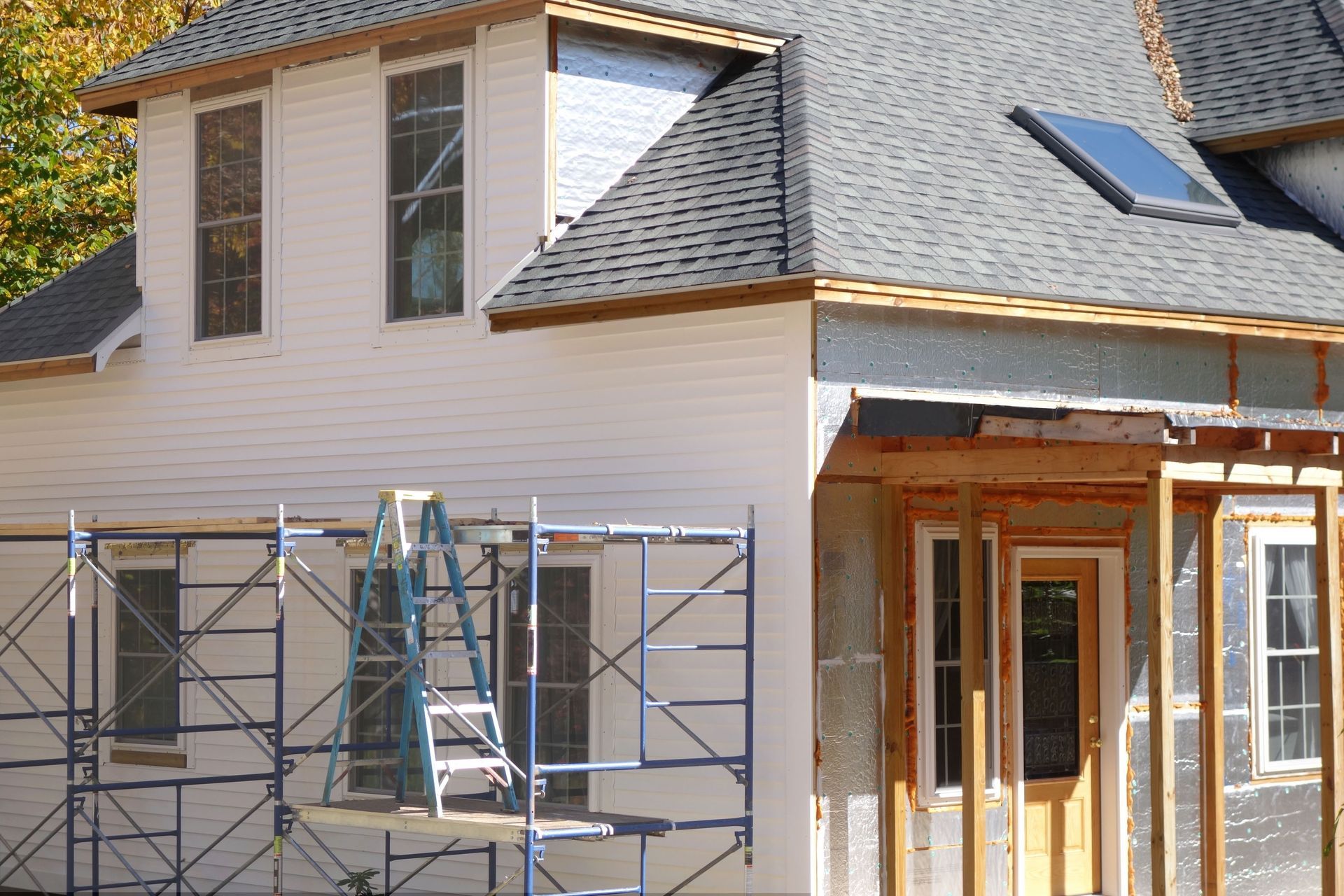
Integrating a sunroom with an existing home requires precise structural engineering, proper foundation tie-ins, and accurate roof pitch matching. Professional contractors ensure load-bearing walls and foundation footings meet local building codes. Properly executing these structural connections prevents water leaks, draft points, and settling issues over time. Seamless integration elevates property value while ensuring smooth transitions between existing indoor rooms and new glass-enclosed spaces.
Installing Complete Climate Control
Year-round comfort relies on robust insulation and dedicated climate control infrastructure. Installing double-glazed or triple-glazed windows alongside insulated flooring systems minimizes winter heat loss. Auxiliary HVAC extensions, ductless mini-split systems, or radiant floor heating keep interior temperatures steady regardless of exterior weather conditions. Proper climate control prevents condensation buildup and protects interior furnishings, ensuring the room remains inviting every day of the year.
Securing Construction Permits and Approvals
Building a sunroom or conservatory requires securing proper building permits and verifying local zoning regulations beforehand. Consulting with experienced architects ensures all site plans comply with set-back requirements, lot coverage limits, and structural codes. Addressing regulatory requirements early prevents costly mid-project modifications or municipality fines. Engaging with neighbors prior to construction also maintains positive community relations and ensures a smoother build process.
Selecting Qualified Building Contractors
Partnering with an experienced contractor is essential for executing complex glass construction projects successfully. Property owners should thoroughly review candidate portfolios, verify licensing and insurance, and contact past references. Because large-scale home additions take 20% longer to finish than scheduled according to Autodesk.com, hiring a contractor with a proven track record minimizes unexpected scheduling delays. Clear communication regarding budgets, materials, and project scopes establishes a solid foundation for construction.
Repairing Wear and Structural Seals
Continuous exposure to intense sunlight, rain, and temperature shifts eventually degrades exterior rubber seals and caulking. Conducting biannual inspections helps identify cracked weatherstripping, failed window seals, or minor frame rot early. Replacing blown double-pane seals restores lost insulation values and prevents interior fogging between glass panes. Timely repairs extend structural longevity and maintain peak energy efficiency throughout the year.
Performing Essential Seasonal Upgrades
Seasonal maintenance steps prepare glass structures for extreme summer heat and winter cold. Summer prep includes installing overhead shade sails, opening roof vents, and verifying ceiling fan operation. Winter preparation involves checking door weatherstripping, inspecting heating elements, and clearing gutter systems. Remember that undertaking major seasonal home additions or renovations can take 20% longer to finish than scheduled, as noted by Autodesk.com. Proactive seasonal care protects your structural investment year-round.
Building Eco-Friendly Glass Additions
Sustainable sunroom construction incorporates recycled framing materials, rainwater collection systems, and high-efficiency Low-E glass assemblies. Designing passive solar layouts captures natural winter heat while blocking harsh summer sun, drastically reducing HVAC dependence. Incorporating energy-efficient construction principles minimizes environmental impact while lowering long-term operating costs. Eco-friendly
home additions demonstrate how modern architecture can balance personal luxury with environmental responsibility.
Expanding your living space with a custom sunroom or conservatory requires specialized architectural design, precise structural engineering, and expert craftsmanship. Working with experienced professionals ensures your new structure seamlessly integrates with your existing rooflines, foundation, and HVAC systems while meeting strict local building codes. For trusted expertise and high-quality construction on your next residential remodeling project, contact the team at RGS Contracting.